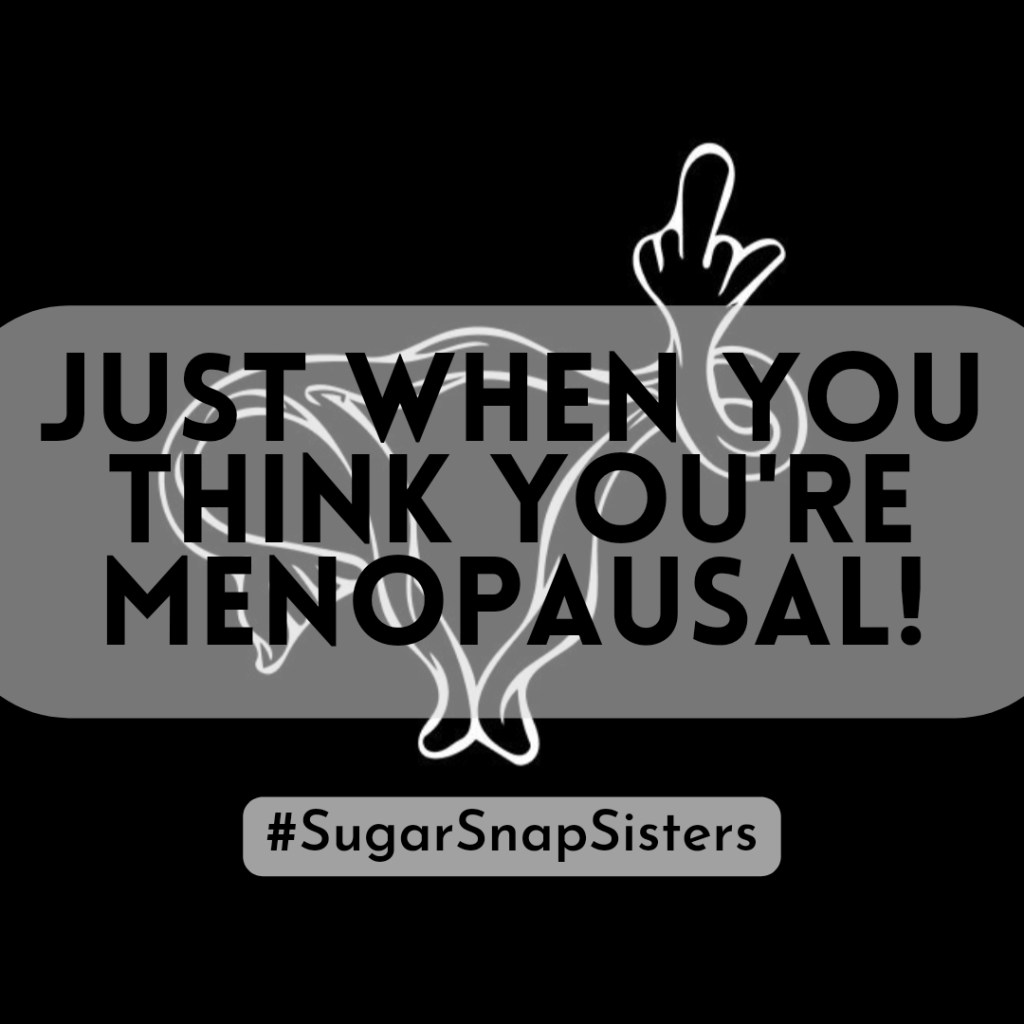
So, many of you might have known about my struggles with endometriosis. Oh, you didn’t know? Well, let me catch you up real quick. Experienced severe period pains from the age of 13. The doctor recommended the pill at 19 but because I was a late bloomer, I didn’t think I needed anything because if I wasn’t sexually active, why would I need the pill? Fast forward me going to university and missing classes because of the pain, I decided to embark on a 10-year journey on the pill. Life was pain-free and Microgynon was my friend. Then I met the kid’s dad, I decided to come off the pill, in case we decided to want children. The pain returned with a vengeance.

Along with the pain came a lump – a lump that connected endometriosis to me. They called it a “chocolate cyst” and it’s not as sweet as it sounded. Not only did I have endometriosis, I had Stage 4 endometriosis – the most severe stage. Endometriosis is the presence of endometrium (the tissue that lines the uterine cavity) outside the uterus. It is a condition where patches of endometrial cells grow in other organs in the body, most commonly in the pelvis near or over the back of the uterus, the ovaries, bladder and bowel. Endometrial cells have a very specific function, which is to provide the grounds for a fertilised embryo to attach at the beginning of the pregnancy. The hormones produced by the ovaries during the menstrual cycle stimulate these cells and make them grow in size and number, as well as change their function over the cycle. When the woman doesn’t fall pregnant, these cells die and shed, causing the menstrual flow. But it was the pain that defined my life.
Pain is the most common endometriosis symptom. The pain I experienced was like coils of barbed wire trying to unwrap themselves out of my womb. I tried a hot water bottle once to calm the pain down. The next morning, the skin on my stomach started to peel away because I’d taken the hot water bottle jacket off. Women who have endometriosis commonly experience pelvic, abdominal and lower back pain. Pain can also be present during or after sexual intercourse, and in cases where the disease implants on bowel or bladder, bowel movements or passing urine can be uncomfortable. Pain and severe anaemia. I couldn’t wait for it to be over.
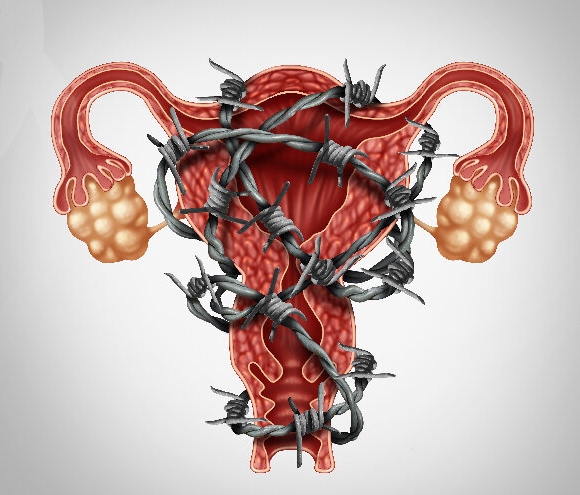
At one point, I couldn’t wait for menopause. Pain be gone! I was worried though because there’d be no guarantee of a pain-free menopause. But then they happened less frequently and less severely. And I think it just stopped. Then I found out that I had adenomyosis – the doctors knew 5 years ago but somehow forgot to tell me. Suddenly, all of the statistics about black women and medical care came flooding to my brain. But, I was pain-free!! Until one day… I got an all too familiar feeling… dull cramps, aches in my lower back. Yes, my periods had started again. The pain was bad and my iron dropped all the way out but the most horrifying part was when my sister casually reminded of this when I told her what had happened…
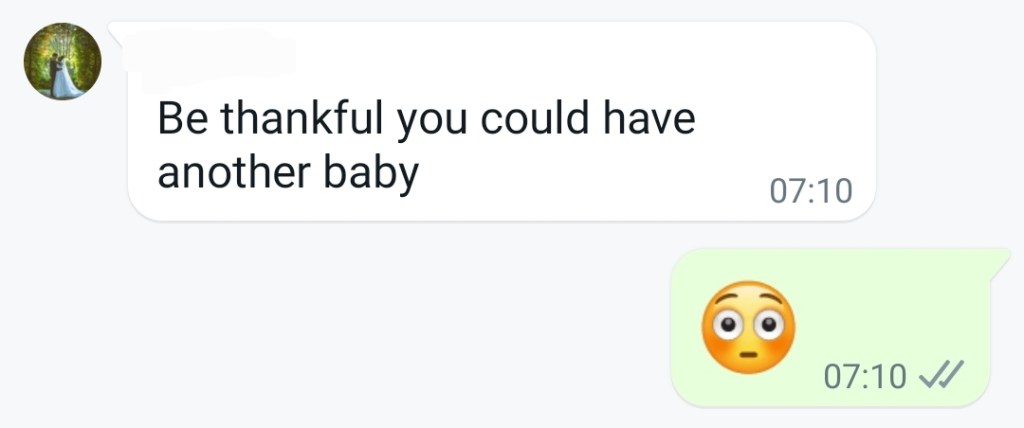
Could you imagine? More babies with two 14 year olds? Could you imagine more twins… at 50? I quietly nursed my anxious stomach with a good old-fashioned white wine. And quite frankly, I’ve been nursing it ever since.
Are you going through the menopause? How are you coping? Do you have an adequate support circle around you? What has helped you get through? Please share in the comments what your menopause experience has been, how you’ve and whats helped you get through.
Tricia xx
 Sugarsnap Sisters